Technology
Diane Abbott: Twitter has ‘put racists into overdrive’
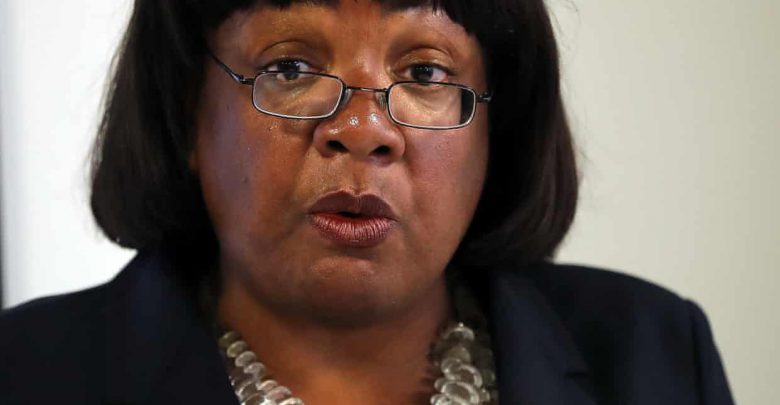
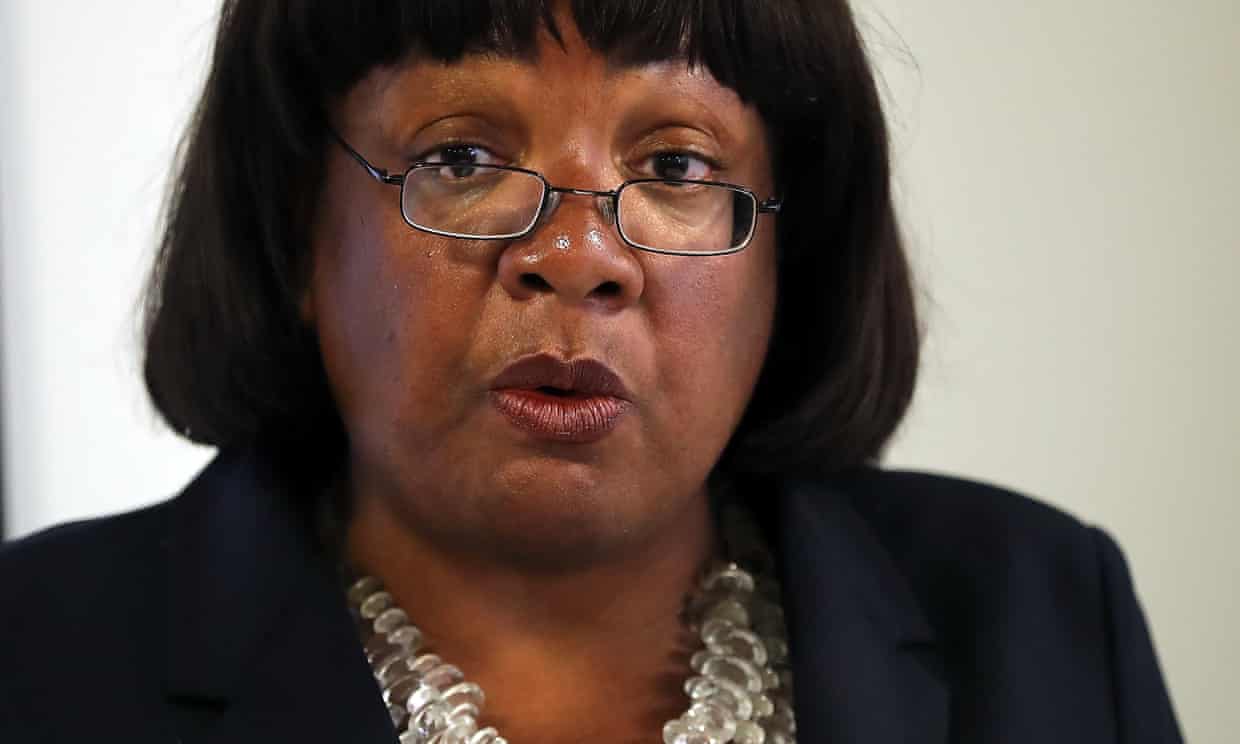
Diane Abbott has said she experiences more racism now than whenever they want within their 35 years in politics, as reports have found black female politicians and journalists are almost even more likely because their white peers to get abused on Twitter.
The shadow home secretary urged Twitter to absolve anonymity for the users, and said the culture of abuse had been reflected in mainstream media and political discourse, through an increase in “dogwhistle” politics.
Her comments came as Amnesty International released the end result of crowdsourced research that found black women in journalism and politics were 84% more inclined than white women to become mentioned in abusive tweets.
The report warned that such abuse enjoyed a “chilling effect” on freedom of expression by women on the web “undermines women’s mobilisation for equality and justice C particularly categories of women that already face discrimination and marginalisation”.
Abbott said: “I didn’t have this scale of abuse when I first arrived to politics and racism was a problem then as now, but it’s the anonymity and also the comfort of Twitter which has put racists into overdrive.
“The the very first thing my staff must do in the am is search online and delete and block everything – And this feeds on itself: people see other folks peddling racist abuse, in order that they think they can in the process so they feel almost strengthened within their need to implement it.”
Previous research by Amnesty learned that Abbott received almost half (45.1%) epidermis abusive tweets shipped to female MPs before last year’s general election. Together with general derogatory and racist abuse, she regularly received death threats and rape threats, she said.
And she warned that racism online had been reflected in the news and politics, “not inside the same visceral way, having said that i think that it finds an echo in mainstream coverage that is very troubling”.
She pointed to Conservative attack adverts posted on billboards while in the north of England within the last election that targeted her and Jeremy Corbyn. “Not Jeremy and John McDonnell, that would are already the most self-evident activity, but me and Jeremy,” she said. “It’s dogwhistle politics.”
Volunteers for Amnesty’s “Troll Patrol” project analysed 228,000 tweets sent during 2017 to 778 female politicians and journalists from all over the political spectrum throughout the uk and US. They learned that about one in every 14 analysts contained abusive or problematic language C content that either promoted violence against specific groups or was hurtful or hostile.
Disaggregating the data indicated that “left-leaning” politicians C such Democrats in the US and Labour C were 23% going to be targeted for abuse as opposed to runners in the right. That trend was reversed for journalists, with those discussing rightwing publications C just like the Daily Mail, direct sunlight or Breitbart C receiving 64% more abusive tweets.
The research was executed after Twitter refused to discuss data on reports of abuse against girls and other groups. Kate Allen, Amnesty UK’s director, said: “Twitter is failing to be transparent in regards to the extent on the problem – The company must take concrete steps to properly protect women’s rights around the platform.”
The findings come well before a government white paper C planned for early this year C that may be supposed to propose statutory regulation for web 2 . 0. Jim Killock, executive director on the Open Rights Group, which campaigns for rights online, said all myspace and facebook platforms had difficulties in distinguishing between bullying and robust comment.
“Twitter does need to be sure the extremes of abusive behaviour are tackled,” he explained. “If they are in a position to continue, it undermines the arguments for safeguarding free expression and keeping state regulation from the speech.”
Vijaya Gadde, legal, policy, and trust and safety global lead at Twitter, said the company was devoted to “improving the collective health, openness, and civility of public conversation” to the platform.
“Our abusive behaviour policy strictly prohibits behaviour that harasses, intimidates or silences another user’s voice,” she said. “We are also transparently investing in better technology and tools to enable us to more proactively identify abusive, violative material, to limit its spread and reach about the platform and to encourage healthier conversations.”


